A practical, engineering-minded look at battery risk, chemistry, design, and common sense
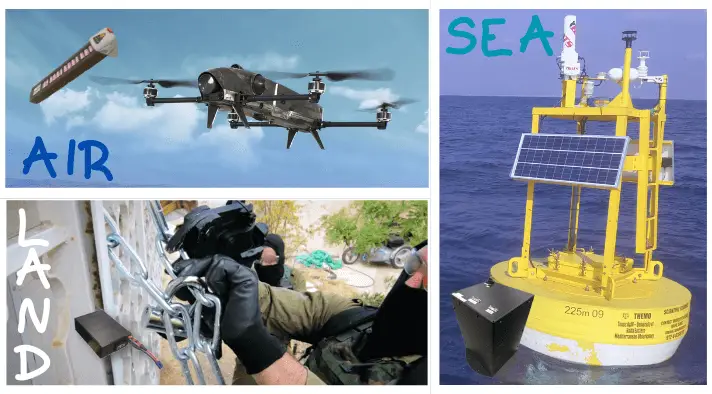
Lithium-ion batteries are almost everywhere today: in phones, laptops, drones, power tools, electric vehicles, medical devices, military equipment, energy storage systems, and in products where nobody really understands why they need Bluetooth but somehow they contain battery-backed electronics anyway.
And because batteries are everywhere, the horror stories are everywhere as well: an e-scooter catching fire in an elevator, a phone swelling on a desk, a battery pack burning in a warehouse, or someone on the internet deciding to see what happens when a lithium cell meets a nail. The result is a simple and legitimate question from many customers: so, how dangerous are batteries really?
The short answer is: batteries are not toys, and they are not just “an electrical component with two wires.” They are electrochemical systems containing energy, active materials, and a process designed to produce energy, a process that, in failure conditions, can become an uncontrolled exothermic event. That means their basic risk level is higher than that of ordinary electronic components.
This does not mean we should be afraid of batteries. It means we should treat them like any serious energy source: fuel, gas, heat, pressure, or high voltage. At a gas station, nobody panics because there is gasoline nearby but nobody lights a cigarette next to the pump and says, “It’ll be fine.” There are procedures, proper equipment, planning, and common sense.
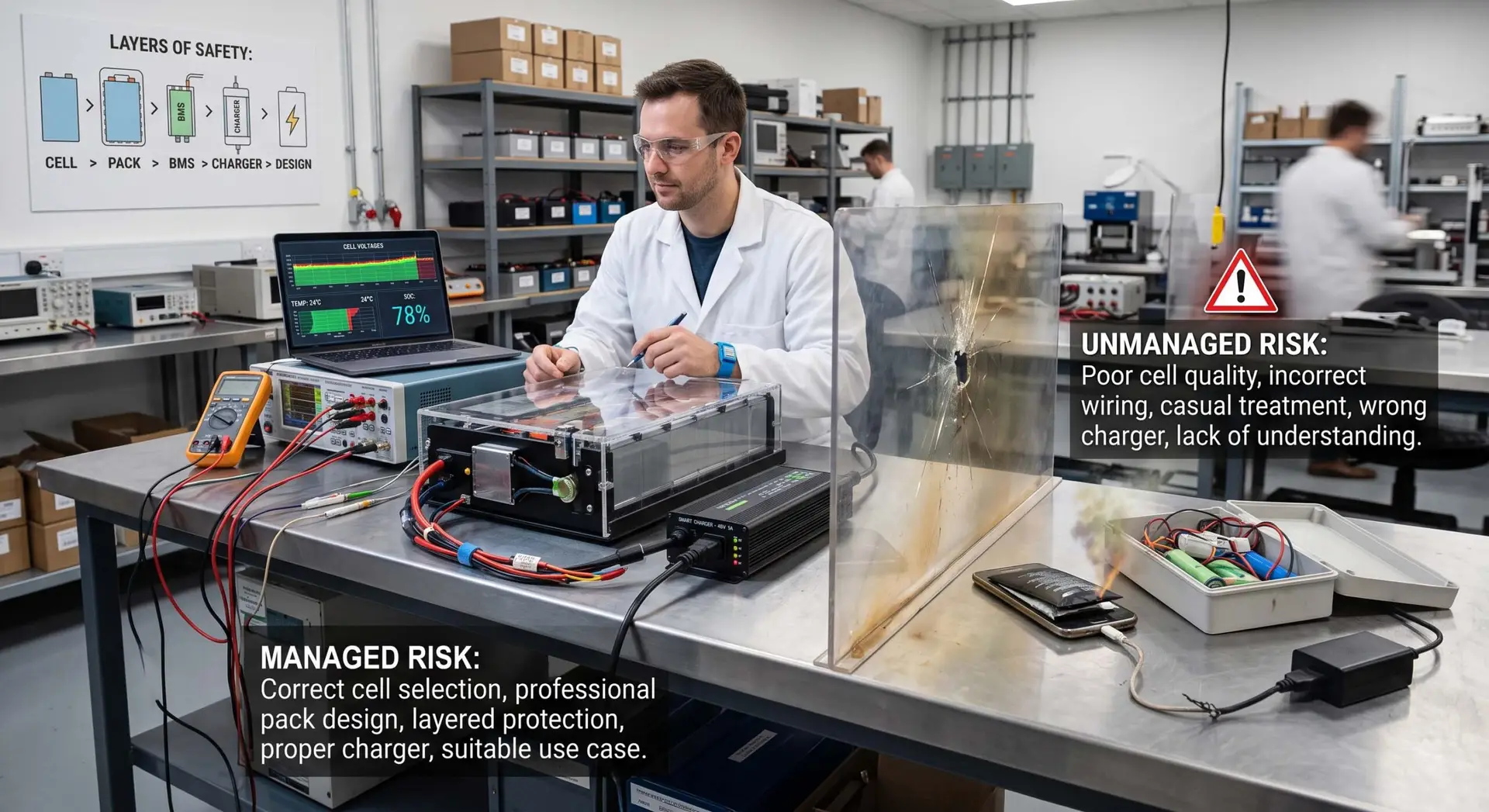
The same is true for batteries. A high-quality cell, controlled manufacturing, the right chemistry, professional pack design, a suitable charger, electrical and thermal protections, clear user instructions, and proper testing can turn a potentially hazardous energy source into a useful, reliable, and safe product. On the other hand, a poor-quality cell or a poorly designed pack can remain a problem even if the user reads the manual twice, including the small print.
In other words: risk does not disappear just because we call it a battery. It is managed when the cell is selected correctly, the pack is designed properly, and the user understands that this is a serious energy storage device, not two AA batteries in the air-conditioner remote.
First: Anything That Stores Energy Carries Risk
Gasoline is hazardous. Cooking gas is hazardous. A large capacitor is hazardous. A compressed spring is hazardous. Even a hot cup of coffee can be hazardous, especially if it is being held over a new keyboard.
The question is not whether risk exists. Of course it does. The question is whether the risk is understood, managed, and designed for.
A battery is a very convenient way to package energy. The more energy we want in a smaller volume and lower weight, the more seriously we need to take the cell selection, protection layers, charger, enclosure, operating conditions, and final use case. There is no magic here. There is physics, chemistry, electronics, and occasionally a customer asking for 30% more runtime without making anything larger.
A Battery Is a Chemical Energy Source, Not a Plastic Accessory
The right way to think about a battery is not as a normal electronic part, but as a packaged chemical energy source. Like fuel, gas, or a large capacitor, it is extremely useful when managed correctly and potentially dangerous when treated casually, sourced from an unreliable supplier, or operated outside its limits.
So the question is not only “How do we use this battery?” It is also “Who made the cell?”, “How was it tested?” “Is there traceability?”, “Is the chemistry suitable?”, and “Was the entire pack designed around the risk or around hope?”
Not All Batteries Are Created Equal
One common mistake is to talk about “lithium batteries” as if they were one product. In reality, there are very different cell types, chemistries, mechanical formats, quality levels, and safety behaviors.
A small prismatic phone cell is not the same as a drone battery pack. A drone battery is not the same as an energy storage system. An LFP cell does not behave like an NMC cell. A high-quality cell from a known manufacturer is not the same as an unidentified cell purchased because the price was “interesting.” And a battery pack with proper mechanical, electrical, and thermal design is not the same as a group of cells wrapped together with good intentions.
Even within the same chemistry, there are major differences: high-power cells, high-energy cells, long-cycle-life cells, cells with wide temperature range, cells with different internal safety mechanisms, and cells that look excellent on a data sheet until they are asked to work inside a real product.
Therefore, the question “Are batteries dangerous?” is less useful than: which battery, which chemistry, which design, which use case, which protections, and in whose hands?
Not Every Battery Technology Is Dangerous in the Same Way
It is important to remember that not every battery technology carries the same type of risk. Lead Acid, for example, is an old, familiar, and relatively forgiving technology. It is heavy, contains acid, and can release hydrogen during charging, but its behavior is generally predictable. In short: not a beauty contest winner, but it gets the job done.
NiCd is a different story. It is a strong, robust technology with a long history, but its main issue is environmental: cadmium is toxic, which is why the use of NiCd batteries has been significantly reduced in many applications. In this case, much of the risk begins when the battery reaches the end of its life.
NiMH is, in many ways, the friendlier successor to NiCd. It does not contain cadmium, offers good performance, and when used correctly is considered relatively safe and predictable. But it is not green magic inside a metal cylinder: overcharge, overheating, short circuit, or an unsuitable charger can still cause leakage, venting, or cell damage. It may be less dramatic than lithium-ion, but it still deserves a charger newer than the one found in a drawer from the 1990s.
Li-Ion and Li-Polymer are in a different league of energy density. They are what make thin phones, agile drones, powerful cordless tools, and advanced portable systems possible. But they demand much tighter control: voltage and current limits, temperature monitoring, short-circuit protection, a suitable charger, and good mechanical design.
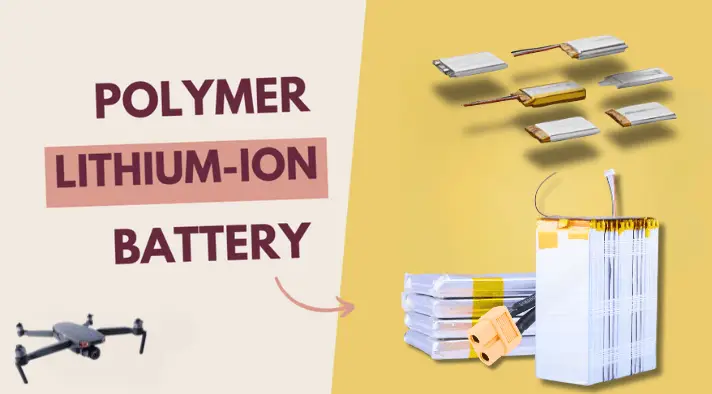
It is also worth remembering that Li-Polymer is not necessarily a different, safer chemistry. In most practical discussions, it belongs to the lithium-ion family and is often built as a flexible pouch cell. The advantages are weight, thickness, and shape flexibility. The disadvantages are higher sensitivity to swelling, mechanical abuse, puncture, local pressure, and inadequate support. In addition, because pouch cells can be produced in many custom sizes at relatively low tooling cost, they do not always enjoy the same level of standardization and very large automated production runs as common cylindrical cells such as 18650 or 21700. In a good design this flexibility is an advantage; in a lazy design it is an invitation to surprises.
At the more sensitive end are primary lithium batteries, especially cells based on Lithium Metal. They can offer very high energy density and long shelf life, but they are not forgiving. They must not be recharged, shorted, mechanically damaged, overheated, or treated creatively. Some chemistries also contain toxic or corrosive materials. These cells are excellent when used exactly as intended. Zero room for improvisation.
So Who Is Really Supervising This?
Here is a point that surprises many people: although lithium-ion cells contain significant energy, active materials, and non-trivial potential risk, cell manufacturing is not supervised everywhere with the same level of strictness that we see in fields such as gas cylinders, ammunition, explosives, or weapon systems.
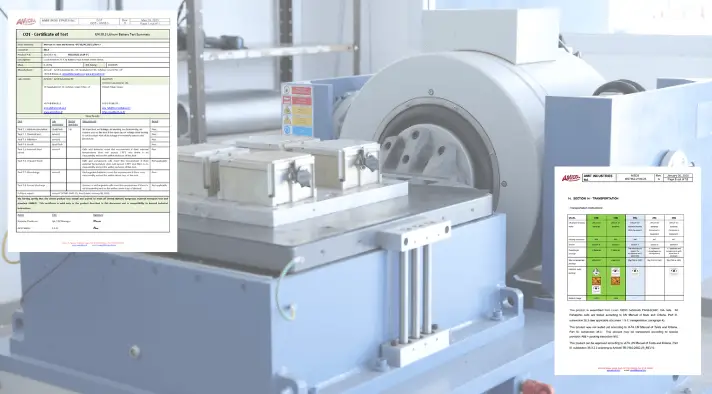
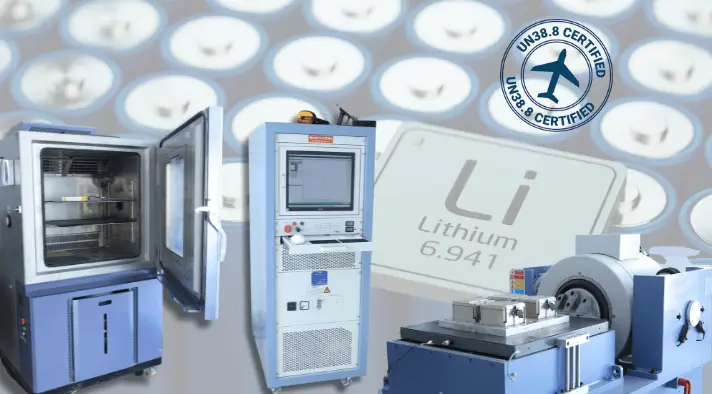
Of course, regulations exist: battery shipping, hazardous materials, workplace safety, product standards, UN38.3 testing, IEC standards, and customer-specific requirements. But in many cases, there is no universal “lithium cell manufacturer license” comparable to a world in which the state thoroughly checks who manufactures the product, how it is manufactured, how it is stored, who is qualified to handle it, and what the end user is allowed to do with it.
Put simply: if someone wants to start a cell factory tomorrow, they will need to deal with buildings, electricity, chemicals, in-process quality control, environmental issues, and shipping. But not necessarily with the same world of procedures, supervision, and user training that we would expect if the same energy-containing item were called ammunition or a gas cylinder. If it were called that, the authorities would probably become much more interested in who touches it, where it is stored, its expiry date, who transports it, and what course was taken by the person connecting a charger to it.
This is one reason why cell supplier selection cannot be based only on a nice data sheet or an attractive price. We need to ask who the manufacturer is, what level of quality control exists, whether production traceability is available, which tests are performed, whether there is field experience, whether safety documentation is credible, and whether the cell is truly suitable for the intended application. In a world where regulation does not always hold the manufacturer’s hand, more responsibility shifts to the system designer, the battery pack manufacturer, and the professional customer.
In short: the fact that a cell looks like a small metal cylinder does not make it “just another component.” Sometimes that small cylinder contains enough energy to remind us that small and cute is not always the same as harmless.
Where Do Problems Usually Begin?
Most battery problems begin when the cell is pushed outside its correct operating limits — or when the cell itself was never manufactured at a level that allows us to trust it in the first place.
Overcharge, over-discharge, short circuit, excessive current, high temperature, low-temperature charging, mechanical damage, water ingress, the wrong charger, cell imbalance, incorrect wiring, or an enclosure that does not allow heat to escape — none of these are surprises. They are scenarios that should be understood and designed for. A very common retail-market scenario is even simpler: buying a battery mainly because it is unusually cheap, with very little attention paid to the long-term reliability of its control electronics.
In extreme cases, when a lithium-ion cell enters thermal runaway, the process can develop rapidly, release heat and gases, ignite nearby materials, and affect neighboring cells. This is exactly where good battery pack design makes the difference: proper cell selection, mechanical separation, electrical insulation, thermal management, BMS or PCM protection, fuses, a suitable enclosure, testing, and a charger that is not too creative.
In simple terms: the risk exists, but it should not be a surprise. It should be part of the design.
A Single Cell Is Not a Battery Pack
A high-quality lithium-ion cell can be an impressive product. But a battery pack is not just a cell. It is a system.
When we connect cells in series and parallel, add conductors, connectors, fuses, temperature sensors, protection electronics, an enclosure, insulation materials, charging interfaces, and communication, we create a system with many more design decisions and many more opportunities to get something wrong.
A good cell inside a bad battery pack is like a good engine in a vehicle assembled without brakes. It may be capable of working, but the system around it may not know how to stop in time.
In a properly designed pack, the cells are not alone. They have operating limits, protection layers, monitoring, balancing, heat dissipation, short-circuit prevention, suitable connectors, and an enclosure that does not treat them like a shoebox with ambitions.
Does the BMS Solve Everything?
A BMS is a very important tool. It can measure cell voltages, monitor temperatures, disconnect charge or discharge under unsafe conditions, balance cells, communicate with the host system, and provide important information about the battery’s condition.
But a BMS is not magic. It does not turn the wrong cell into the right cell. It does not fix an undersized conductor. It does not cool a pack without thermal design. It does not rescue an enclosure that was never designed correctly. And it certainly should not be the only protection layer in a high-energy system.
Good safety is a combination of layers: suitable cells, correct electrical design, sound mechanical design, insulation, fuses, electronic protections, the right charger, testing, user instructions, and sometimes the healthy understanding that not everything should be charged in the kitchen next to the curtains.
A Lot of Risk Comes from the Charger
One of the best ways to damage a battery is to charge it incorrectly. The wrong charger, incorrect charge voltage, excessive charge current, charging at the wrong temperature, or an incorrect connection can turn a good battery pack into a problem.
In simple systems, the charger is sometimes treated as an accessory. In serious systems, the charger is part of the energy system. It must match the chemistry, number of cells, charging profile, protection strategy, communication requirements, and sometimes diagnostic needs.
A smart battery with a stupid charger is an unbalanced couple — like installing a biometric lock on a thin glass door.
Summary: Should We Be Afraid of Batteries?
No. We should respect them.
Fear sometimes leads to over-design, exaggerated requirements, unnecessary weight, and overly complicated solutions. Carelessness leads to real problems. The correct path is in the middle: understand the risk, define it, design against it, test it, and do not pretend it does not exist.
Lithium-ion batteries are a mature, useful, and powerful technology. They drive excellent products, save lives in medical systems, enable advanced portable equipment, and keep half the world connected to electricity when there is no wall socket nearby. But like any technology that contains energy, they require professional design. The question is not whether batteries are dangerous. The question is whether they were designed, manufactured, charged, and used in a way that matches the energy they contain.